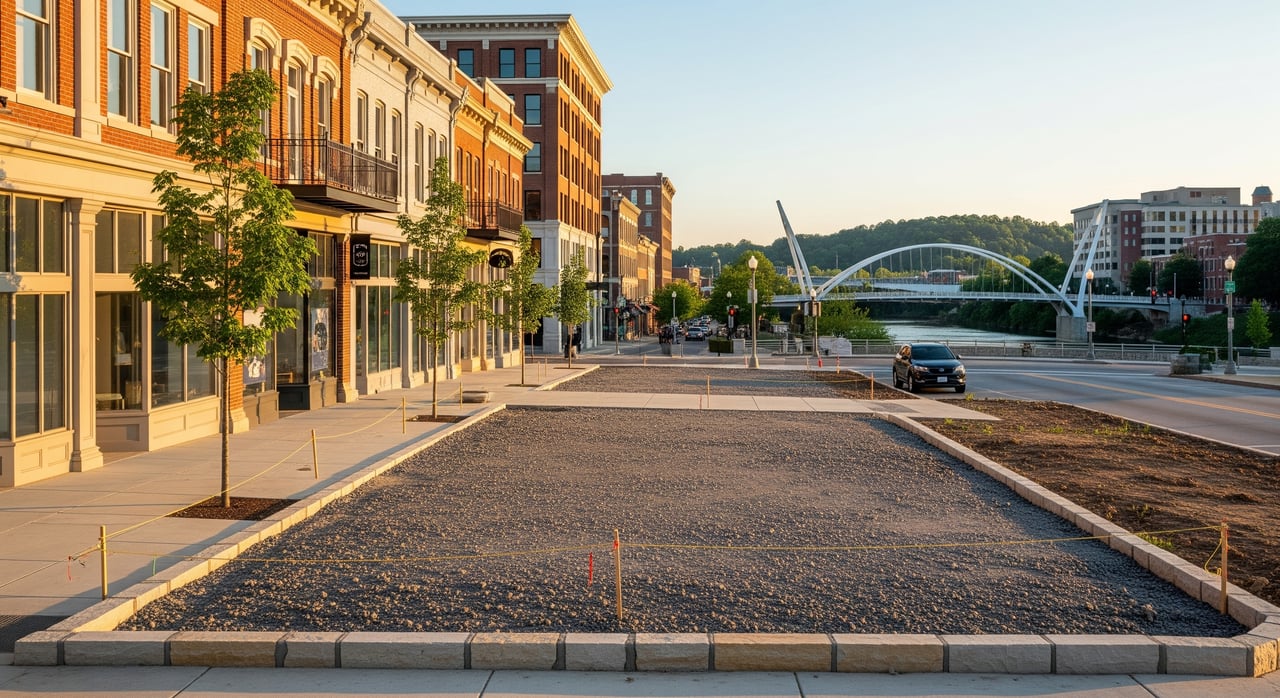
Shopping for a lot near Falls Park or just beyond Main Street and wondering what it is really worth? You are not alone. Valuing land downtown is different from valuing a house, and small details can swing price by tens of thousands. In this guide, you will learn how zoning, utilities, site conditions, and local demand combine to set value, plus a simple framework you can use to price a parcel with confidence. Let’s dive in.
What drives land value downtown
Land value in Downtown Greenville comes down to three pillars: what you are legally allowed to build, whether you can physically build it, and what the market is paying for similar sites. Together, these decide the highest and best use and the realistic price range.
- Legal use and entitlements. Zoning, overlays, and approvals control what can be built, how tall, and how much of the lot you can use. Historic or design-review areas may add design standards.
- Physical buildability. Utilities, slope, soils, floodplain, and access all impact what is feasible and how much it will cost to develop.
- Market demand and comps. Recent sales of comparable downtown lots, adjusted for utility status, site work, and entitlements, anchor fair value.
Custom-home buyers often prioritize walkability, neighborhood character, tree preservation, and a clear path to permitting. Small investors tend to focus on highest-and-best-use, subdivision potential, and entitlement timelines.
Confirm jurisdiction and zoning first
Before anything else, confirm whether the parcel sits inside the City of Greenville or in unincorporated Greenville County. Downtown parcels are typically in the city, which means city zoning rules, design standards, and permitting apply. Parcels outside the city fall under county rules and may have different development standards and service providers.
Review the applicable zoning map and ordinance to learn permitted uses, setbacks, height limits, and coverage. In the downtown area, look for any Downtown Overlay Districts, Historic Preservation overlays, or design-review processes that can affect façades, materials, demolition, and site layout.
Why this matters for your plan
Zoning and overlays determine whether your goal is allowed as-is or if you will need a variance or rezoning. If you must change entitlements, budget time and costs for applications, hearings, and potential design revisions. Treat this timeline and risk as part of the property’s cost.
Legal and title checks that change value
Order the recorded deed and a title report early. Look for utility easements, rights-of-way, conservation easements, restrictive covenants, and liens. Confirm legal access to a public road or a recorded private access easement. If access is via a private drive, clarify maintenance responsibilities.
If the parcel lies in a platted subdivision or conservation community, review covenants, conditions, and restrictions for minimum square footage, architectural controls, tree protection, and setback rules. These can limit your buildable envelope and influence value.
Always obtain a current boundary survey, ideally with topography and any encroachments noted. For complex deals or lender requirements, an ALTA/NSPS survey can reduce risk and help you plan utilities and stormwater.
Physical buildability and site costs
Physical feasibility often drives the biggest value adjustments. Two lots with the same zoning can be miles apart in cost and timeline once utilities, slope, and soils come into play.
Utilities: water, sewer, electric, gas, and stormwater
Most downtown parcels rely on municipal water and sewer. Confirm service availability, the location of existing taps or laterals, and whether sewer capacity is adequate. Tap fees and main extensions can be material. In the downtown core, septic is typically not allowed, and wells are unnecessary, so plan for municipal connections.
Verify electric provider and natural gas provider, and ask about line extension charges or transformer needs. For redevelopment or new infill, you may also need a stormwater management plan. Expect plan review and possible on-site detention based on local standards.
Slope, soils, and trees
Steeper sites can add costs for grading, retaining walls, and specialized foundations. A topographic survey will help you identify the most practical building envelope.
A geotechnical report is standard practice to confirm bearing capacity, groundwater levels, and whether deep foundations or soil improvements are needed. If you are outside the core and considering septic, SCDHEC will require soils testing. Poor soils can add cost or limit your plan.
Mature trees and views can improve livability and resale, but tree-protection rules or your own preservation goals may limit the footprint and require careful site design.
Floodplain and environmental constraints
Parcels near the Reedy River and tributaries can intersect FEMA flood zones or floodways. Floodplain constraints reduce buildable area and can increase insurance and mitigation costs. For sites with past commercial or industrial use, consider a Phase I Environmental Site Assessment and follow up with a Phase II if concerns arise.
Zoning, entitlements, and timelines
Your valuation should reflect whether a lot is buildable as-is or if you need to secure additional entitlements.
- Rezoning and variances. If your intended use is not allowed, assess alignment with the comprehensive plan, likely community feedback, and political considerations. Entitlement timelines vary and can extend your hold period.
- Subdivision and lot-splitting. Dividing a parcel can add value, but it includes costs for public improvements, stormwater controls, utility extensions, and plat approvals. Review minimum lot size, frontage, and infrastructure requirements early.
- Permits and sequence. Expect a sequence that includes due diligence, survey and geotech, site plan, utility permits, and then building permits. Straightforward infill projects can move in weeks or months. More complex rezonings and infrastructure work can take several months to a year or more.
A simple valuation framework you can use
Use a two-tier approach: price the land as-is based on current entitlements and immediate buildability, then consider an as-entitled value if you plan to change the use. The gap between those values should reflect the time, cost, and risk of entitlements.
Follow these steps:
Define your target use. Decide whether you are building a custom home right away or pursuing subdivision or a higher-density use.
Gather true comps. Pull recent sales of downtown or near-downtown vacant lots with similar zoning, utility status, and constraints. Pay close attention to walkability, proximity to Falls Park and Main Street, and any overlays.
Normalize the comps. Convert sales to price per buildable area or price per permitted unit for multi-lot scenarios. Adjust for differences in utilities, slope, and entitlement status.
Subtract site development costs. Estimate tap and impact fees, any main extensions, stormwater design and construction, grading and retaining walls, driveway and curb cuts, and professional fees.
Adjust for intangibles. Add for premium factors like mature trees, city views, or excellent walkability. Subtract for constraints like flood risk, tight access, or recorded easements.
For investors, model exit scenarios. Compare a quick lot resale to a subdivide-and-sell plan. Calculate per-lot values minus infrastructure costs, soft costs, and carrying costs during entitlements.
When you compare the adjusted comp range to your all-in costs and profit targets, you will know whether to move forward and at what price.
Downtown marketability factors to keep in mind
- Proximity premium. Parcels within easy reach of Falls Park, Main Street dining, and cultural venues often command higher prices and sell faster.
- Walkability and transit. Easy access to jobs and entertainment can improve resale appeal and reduce days on market.
- Historic and design review. These rules can preserve neighborhood character, which supports values, but they can add time and design requirements.
- Flood risk. If a parcel is near waterways, buyers may factor higher insurance and mitigation into offers.
- Parking. Infill sites with limited room for a garage or off-street parking may see a value impact. Plan for this during design.
What to budget: typical costs and fees
Surprises kill margins. Build a realistic budget for soft and hard costs:
- Boundary and topographic survey
- Environmental assessments as needed (Phase I, Phase II)
- Geotechnical study and soils testing
- Water and sewer tap fees; possible main extensions
- Electric and gas line extensions or transformer upgrades
- Stormwater design and construction
- Grading, retaining walls, tree work, erosion control
- Building permit, plan review, and impact fees
- Professional fees: civil engineer, surveyor, land-use attorney, landscape architect
- Carrying costs: taxes, insurance, interest, lawn and site maintenance
Timelines range widely. A simple lot with municipal utilities can close and permit quickly. Entitlements, infrastructure work, or environmental issues can add several months to a year or more.
Quick due diligence checklist
- Confirm jurisdiction: City of Greenville or Greenville County.
- Pull tax record, deed, and recorded plats. Order a title report.
- Obtain a current boundary survey; include topography if possible.
- Check zoning, overlays, and comprehensive plan designations.
- Verify water, sewer, electric, and gas availability and tap or extension costs.
- Review FEMA flood maps and ask about historical flooding.
- Order geotechnical study and, if relevant, soils/percolation tests.
- Scope site improvements: grading, retaining walls, stormwater, driveway.
- Gather downtown-appropriate comps with similar utilities and entitlements.
- Consult a local land-focused agent and a civil engineer before you write the offer.
How Team Inglee helps you buy smart
If you want practical guidance, you deserve a team that speaks both real estate and buildability. With renovation and investment know-how, market data, and local connections to surveyors, engineers, and inspectors, we help you verify the big-ticket items early, price the parcel accurately, and move through permitting with confidence. When you are ready to evaluate a downtown lot or any Upstate acreage, reach out to Team Inglee for a clear plan and hands-on support.
FAQs
What should I check first when valuing a downtown Greenville lot?
- Confirm jurisdiction and zoning, then verify utilities, access, floodplain status, and any overlays that affect what you can build and how fast you can permit.
How do utilities affect a lot’s value in the city?
- Lots with existing or nearby municipal water and sewer, adequate capacity, and straightforward connections are typically worth more than lots requiring extensions or upgrades.
Can I build a custom home on a downtown parcel?
- Often yes if the zoning allows residential use and you can connect to municipal utilities; confirm setbacks, height limits, and any historic or design-review requirements.
What timeline should I expect for permits and approvals?
- Straightforward infill builds can move in weeks or months, while rezonings, subdivisions, or environmental permits can extend the process to several months or longer.
How do I compare downtown land comps fairly?
- Normalize recent sales to price per buildable area or per permitted unit and adjust for utility status, slope, floodplain, and whether the comp included entitlements.
Who should be on my due diligence team?
- A land-focused real estate agent, civil engineer, licensed surveyor, geotechnical engineer, and a land-use or real estate attorney for complex entitlement paths.